
Specialized Lipedema Evaluation & Treatment | Philadelphia & New Jersey
Disproportionate Swelling in Your Legs or Arms May Be Lipedema
Pain, tenderness and disproportionate swelling are not a failure of effort. They may be signs of lipedema, a chronic condition that deserves an informed evaluation and individualized care.
Recognizing the pattern
What you notice matters.
These patterns can help guide a conversation, but they cannot confirm a diagnosis. A medical evaluation is needed to understand what may be contributing to your symptoms.
Lipedema is a chronic condition in which painful or disproportionate fatty tissue develops most often in the legs, arms, or both. It is frequently confused with ordinary weight gain or lymphedema. Many women spend years changing their diets, exercising and seeking answers while the affected areas remain out of proportion to the rest of the body.
For some patients, simply learning that these symptoms have a name can change the conversation. An evaluation with Dr. Falcone begins with what you have noticed, what you have already tried and how your symptoms affect daily life.
- 01
Disproportion
Hips, legs or arms appear out of proportion to the torso
- 02
Pain or tenderness
Affected tissue may feel sensitive or painful to pressure
- 03
Easy bruising
Bruising may occur with little remembered impact
- 04
Heaviness or swelling
Symptoms may become more noticeable later in the day
- 05
Texture changes
Tissue may feel nodular or appear dimpled
- 06
Feet often spared
Fullness may stop near the ankles rather than involve the feet
Understanding the differences
Similar symptoms. Different conditions.
Lipedema can resemble ordinary fat distribution or lymphedema. These common patterns offer context for a medical conversation, not a diagnosis.
| Pattern | Lipedema | Ordinary fat | Lymphedema |
|---|---|---|---|
| Distribution | Often symmetrical | Distribution varies | May be uneven or one-sided |
| Tenderness | Common | Uncommon | Can occur |
| Bruising | Common | Not typical | Not typical |
| Feet | Usually spared | May be affected | Often affected |
| Tissue | May feel nodular | Usually smooth | May pit or thicken |
| Weight loss | Affected areas may remain disproportionate | Usually decreases with overall loss | Swelling may persist |
Scroll sideways to compare all three.
If several of these patterns feel familiar, a consultation can help you understand which findings are relevant to your individual situation.
The results have been truly amazing. Dr. Falcone and her staff are knowledgeable, skilled, compassionate, accessible and supportive.
Google review, patient treated for stage 3 lipedema. Individual results vary.
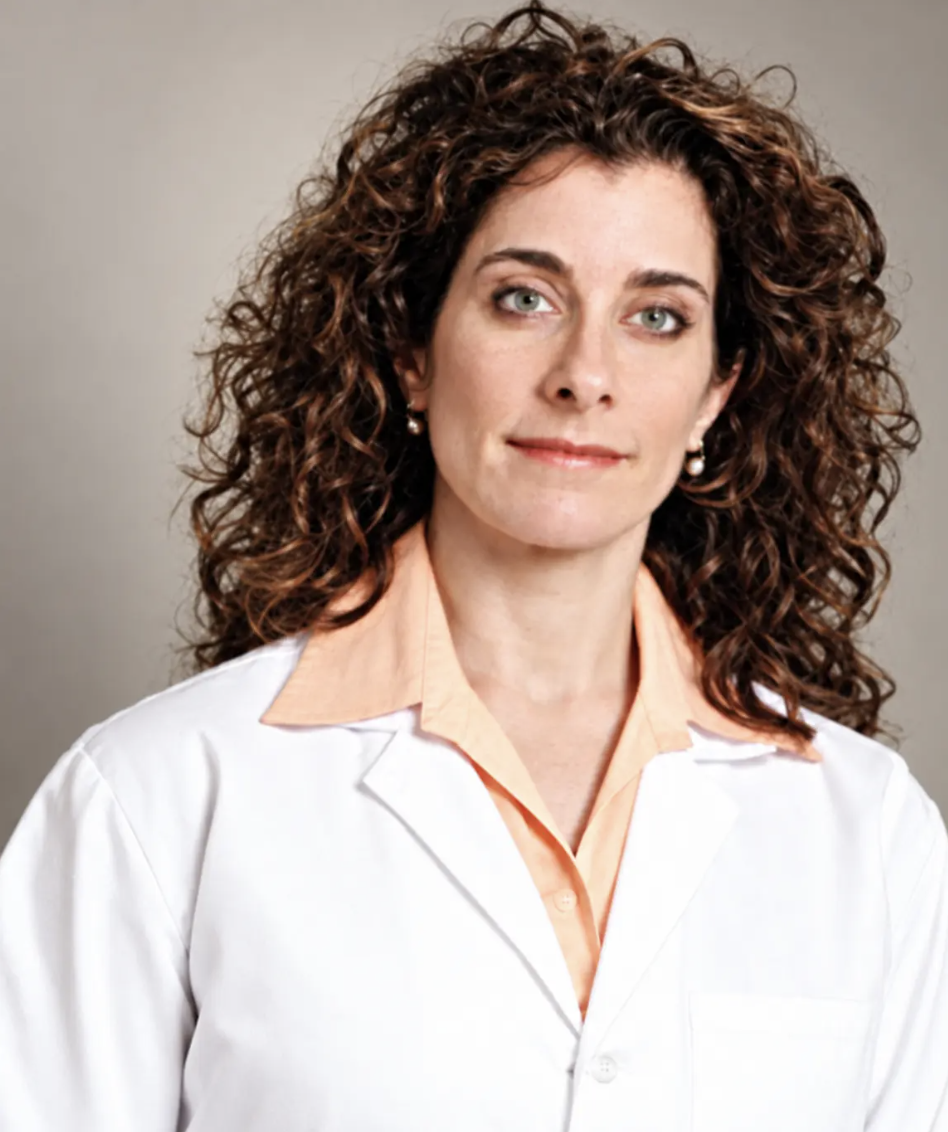
Meet Dr. Falcone
Nearly two decades of lipedema expertise, centered on each patient.
Every patient’s experience is different. Dr. Victoria Falcone begins with your history, symptoms, and goals, then develops a treatment plan tailored to your needs. Since 2007, she has cared for patients with lipedema and performed more than 5,000 liposuction procedures, combining careful evaluation, individualized surgical planning, and continued guidance throughout recovery.
Treating Lipedema Since 2007
Since 2007, Dr. Falcone has evaluated and treated patients with lipedema, combining careful history-taking with individualized surgical planning.
One Surgeon, Every Visit
The surgeon you meet at your consultation is the surgeon who treats you, from evaluation through recovery.
A Plan Built Around Your Case
Treatment is sequenced around your affected areas and tissue condition, not a standard package, with more extensive cases divided across multiple procedures when needed.
Treatment philosophy
Water-assisted liposuction, planned for the individual.
Dr. Falcone uses Water-Assisted Liposuction, also known as Body-Jet, as one approach to removing lipedema-affected fatty tissue. Treatment planning considers the areas involved, tissue condition, overall health, safety limits and personal goals. For patients with more extensive lipedema, treatment may be divided across multiple procedures.
An honest note on outcomes
Liposuction does not cure lipedema. Patients may pursue treatment to reduce affected tissue and address symptoms such as discomfort or mobility limitations, but responses and recovery vary.

Your care experience
Begin with a thoughtful evaluation.
You do not need to arrive with a diagnosis or treatment plan. The consultation is designed to help clarify what you are experiencing and what may make sense next.
Share your experience
Discuss the symptoms you have noticed, when they began, how they have changed and what you have already tried.
Receive an evaluation
Dr. Falcone reviews your history and examines the affected areas to identify patterns that may be consistent with lipedema or another condition.
Understand your options
You will receive a clear explanation of appropriate next steps, including non-procedural considerations and whether Water-Assisted Liposuction may be suitable.
Build a personal plan
If you choose treatment, the procedure sequence, compression needs, recovery expectations and follow-up care are organized around your case.
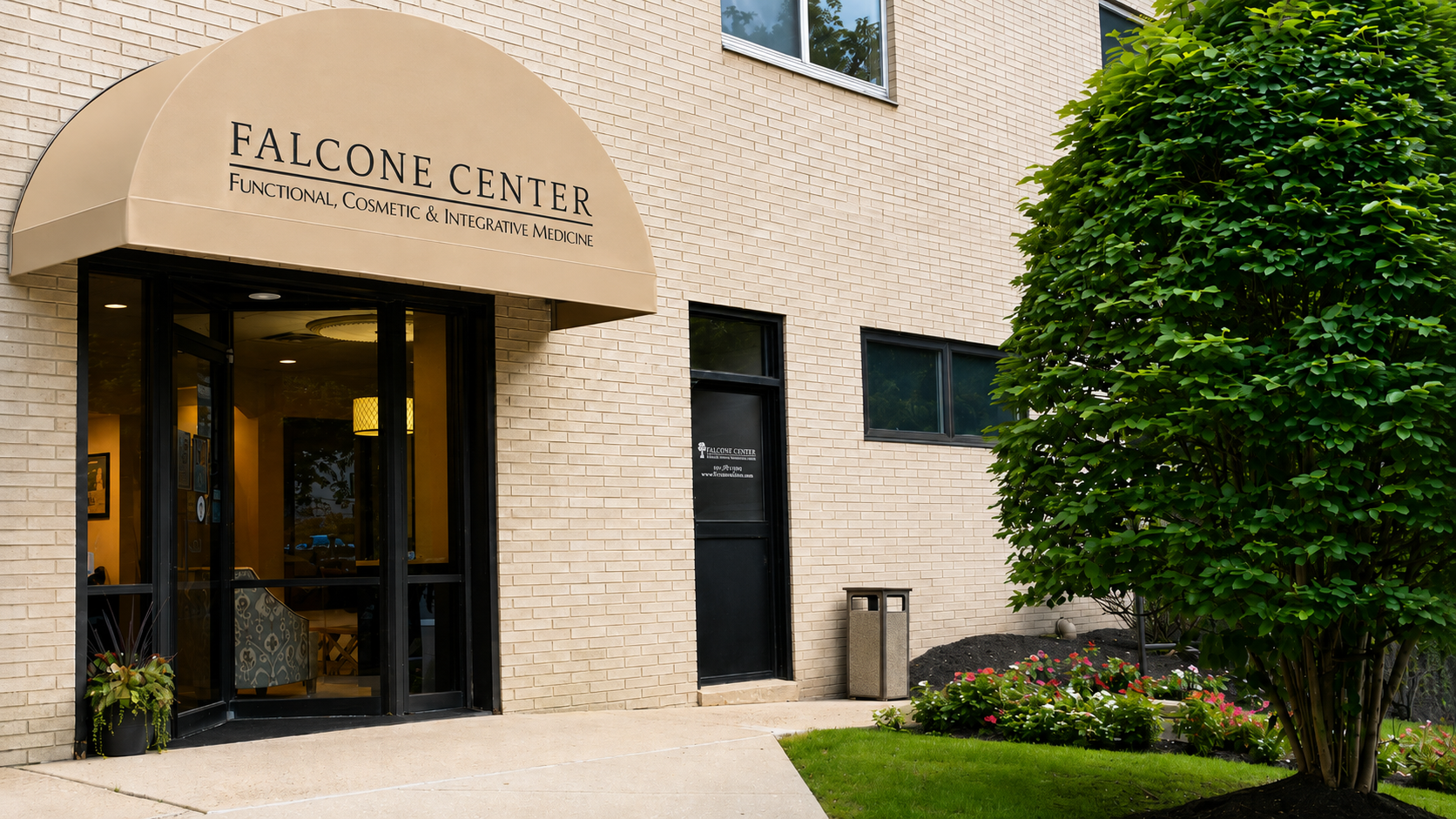
The Falcone Center
Specialized care in a private, welcoming setting.
Choose the location that is most convenient for you. The same individualized evaluation and treatment approach is available in Bala Cynwyd and Maple Shade.

Practical information
Questions before your visit.
Does the Falcone Center accept insurance?
The Falcone Center does not accept insurance and is considered an out-of-network provider. The practice can provide a receipt for possible reimbursement, but coverage is not guaranteed. Patients should confirm their out-of-network benefits directly with their insurer.
Will I need more than one procedure?
It depends on the extent of the affected areas, tissue condition and procedural safety limits. Patients with significant lipedema may need treatment divided across more than one procedure. Dr. Falcone will discuss a realistic sequence during consultation.
Can I take part in lipedema research?
The Falcone Center is working with the Lipedema Foundation on research to help advance the diagnosis and treatment of lipedema. Patients preparing for lipedema surgery may choose to enroll. Participation involves completing a questionnaire, and having measurements, temperatures and a blood sample taken before surgery. Samples of lipedema fat from your procedure are then sent to the research team. Enrollment is your choice, and you can ask about it during your consultation.
How is candidacy determined?
Dr. Falcone considers your medical history, symptoms, areas involved, overall health and goals. She will also explain potential risks, limitations and any evaluation or testing that may be appropriate before treatment.
What should I expect from compression garments?
Compression garments are commonly part of recovery and may need to be custom fitted. The team can help with measurements, ordering and guidance as swelling changes. Current garment recommendations and costs will be reviewed with your plan.
How do I prepare for my consultation?
Bring a list of symptoms, relevant diagnoses, prior treatments, medications and any questions you want to discuss. Photographs or records showing how symptoms have changed may also be helpful when available.
Request a consultation
A more informed next step.
A consultation with Dr. Falcone can help you understand whether your symptoms may be consistent with lipedema and which options deserve consideration.